
Rest Is a Legacy: Calming a Loud Mind When You’re Tired but Can’t Turn Off

Rest is a legacy that has not been taught to many Black women. Reclaim rest as a legacy this Black History Month.
When Your Body Is Tired but Your Mind Is Loud
Have you ever laid down, ready for bed and quickly realize you can’t let your mind rest. You start thinking about everything from the day or things you need to do. Why do our brains pick this exact moment to go down these mental rabbit holes. When this happens sometimes we try to make ourselves go sleep, shut off our brains. You may have even google, or scrolled on Instagram to find answers. Searching things like “how to clam a racing mind” or “rest routines for anxiety”. Particularity women of color may find this time even more frustrating because there is an added stigma that we can’t or dont deserve rest. You’re not bad a resting.
You’re not “bad” at resting…you’re overloaded
When people say, “Just relax,” it can feel almost insulting. Like I would if I could. Because you want to rest. Your body is begging for it and needs it. But your mind has been trained to stay alert, productive, prepared, and responsible especially if you’ve spent years being the one others rely on. For Black people and women in particular who are high achieving, the eldest daughter, the “strong one”, this can feel like failure, like something you need to fix. You are not broken, you have been overlooked.
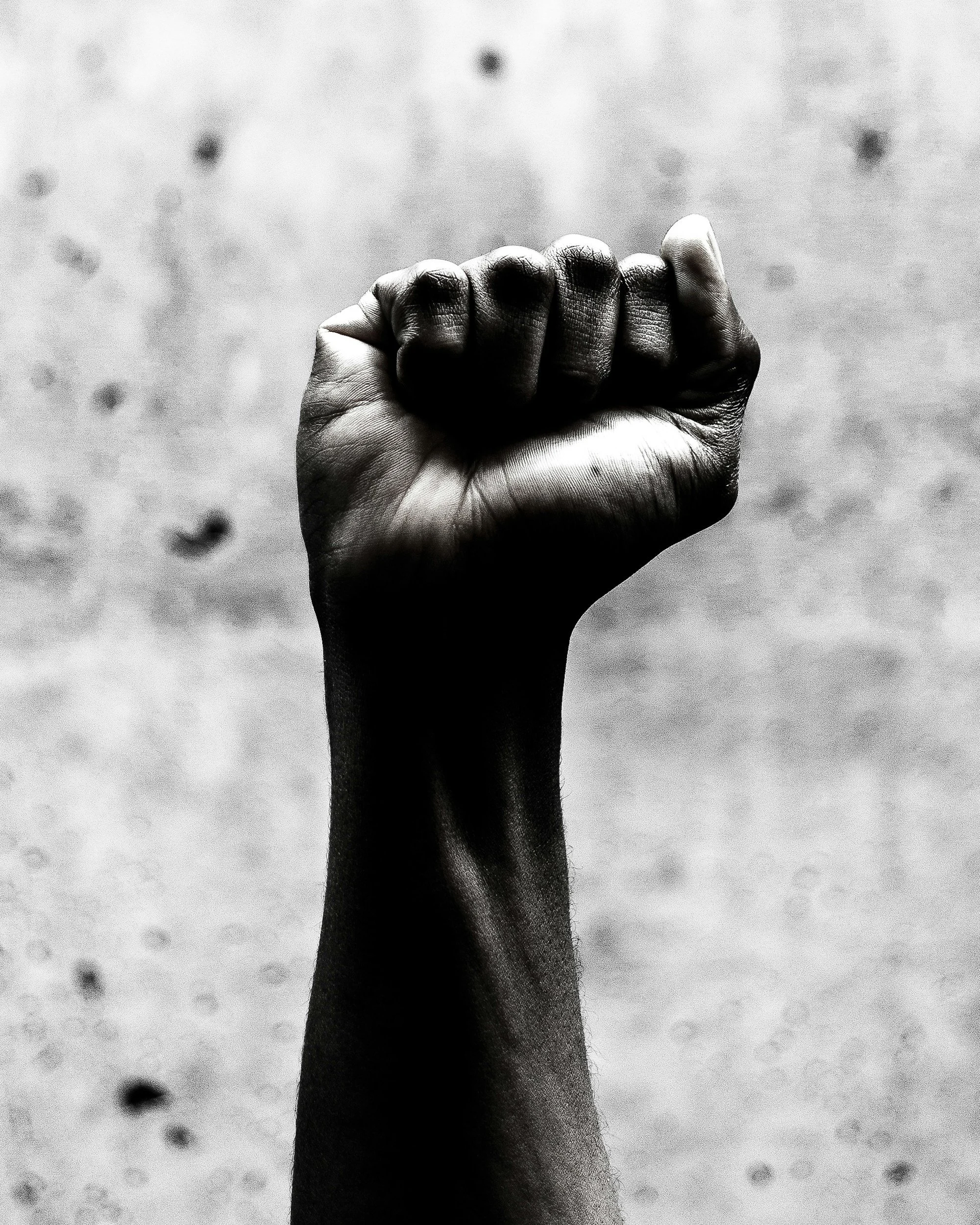
A Black History Month reflection on rest, strength, and survival
During Black History Month, we often honor resilience, leadership, innovation, and community. And we can also honor something quieter but just as meaningful: the right to be human, not just strong. For many Black women, rest has historically been complicated; shaped by expectations, survival, and the pressure to keep going.
So this is your permission slip: rest doesn’t erase your strength. It expands your capacity. Rest can be a legacy: a way of caring for yourself now, and modeling a healthier future for the people watching you.
Why Your Brain Won’t Shut Off (Even When You Want It To)
The stress cycle: your nervous system is still “on”
A racing mind isn’t always about thoughts it’s often about your nervous system. If your body has been running on high alert all day, bedtime doesn’t automatically flip the switch. Your brain’s job is to keep you alive, so the anxious thoughts do have a purpose but may be working against you when it comes to sleep.
When your nervous system is activated, it may feel like:
your chest is tight
your jaw is clenched
you’re restless or fidgety
you can’t get comfortable
your mind scans for problems to solve
Your body may be tired, but your system is still signaling: stay ready. This signal can be something that is passed on through generational trauma.
The mental load and “unfinished business” effect
Your brain hates open loops. Unfinished tasks, emotional labor, unspoken needs, unread messages, appointments, bills, and responsibilities all take up mental space. At night, when things get quiet, your brain tries to “catch up.”
This is why rest can feel like a trap: the moment you stop moving, your mind starts presenting the backlog.
How anxiety makes rest feel unsafe
For some people, resting triggers the fear of:
falling behind
disappointing someone
missing something important
losing control
being judged as “not doing enough”
If anxiety has been your motivator, rest can feel unfamiliar—and unfamiliar can feel unsafe.
Rest Isn’t One Thing… It’s a Skill
A lot of us treat rest like a destination: “Once I’m done with everything, I’ll rest.” But if “everything” is never done, rest becomes impossible.
Rest vs. numbing vs. shutting down
Not all “time off” is restorative.
Rest helps your body soften and recover.
Numbing distracts you but doesn’t refuel you (endless scrolling, over-snacking, bingeing while still tense).
Shutting down is what happens when you’re beyond depleted…your body forces a stop.
If you’re used to pushing through, you might need to re-learn what real recovery feels like. You could be doing a “restful” activity but you are still not allowing for full recovery.
What “real recovery” actually looks like
Recovery often includes:
exhaling fully
loosening muscle tension
slowing your pace without panic
having moments where you’re not “on call”
giving your brain fewer inputs
Example: Unclench your jaw!

Micro-Rest for Busy Women (5–10 Minute Nervous System Resets)
If you don’t have an hour, you can still reset your system. Micro-rest is especially helpful when your brain won’t turn off because it teaches your body: we are safe enough to soften.
The 60-second reset
Try this once, right now:
Put one hand on your chest and one on your belly.
Inhale through your nose for 4 counts.
Exhale slowly for 6–8 counts.
Repeat for 5 breaths.
Longer exhales cue the body to come down from stress activation.
A short grounding practice for racing thoughts
Use the “name and notice” method:
Name 3 things you can see
2 things you can feel
1 thing you can hear
Then say (silently or out loud): “I’m here. In this moment. I’m safe enough to rest.”
Guilt Detox- Releasing the Belief That You Must Earn Rest
Common guilt thoughts (and what to say back)
A lot of Black women don’t struggle with how to rest they struggle with believing they’re allowed. Here are some common guilt thoughts or cognitive distortions and how you can counter them.
“I should be doing something.”
→ “Rest is doing something. It’s recovery.”
“Other people have it worse.”
→ “My needs matter, even when others are struggling.”“If I stop, everything will fall apart.”
→ “If everything depends on me, that’s a system problem, not a character trait.”“I haven’t earned it yet.”
→ “Rest is not a reward. It’s a requirement.”
Redefining strength for the next generation
One of the most powerful Black History Month reflections is this: we can honor what our people survived without recreating survival mode in our own bodies. You don’t have to continue to suffer because that is was our ancestors did. There is no badge of honor for pain and suffering. You get to define strength differently today. Strength can include softness, boundaries, support, and rest.
Try This: A 7-Day Rest Experiment
This is a low-pressure challenge designed to help your body learn rest again.
Day-by-day plan
Day 1: Do a 5-minute brain dump before bed.
Day 2: Add the 60-second breathing reset (4 in, 6–8 out).
Day 3: Cut off news/social media 20 minutes before sleep.
Day 4: Do 3 rounds of shoulder tension-release.
Day 5: Create a “tomorrow list” of only 3 priorities.
Day 6: Use the bedtime script for intrusive thoughts.
Day 7: Repeat the two tools that helped most and write one reflection: “What did my body need?”
Other ways to gauge success without tracking sleep time
Instead of judging success by perfect sleep, track:
How quickly you felt your body soften
Whether your mind was slightly less loud
Whether you woke up with even 5% more capacity
These are small wins that you can feel . That’s how nervous system change happens.
When to Get More Support
Sometimes a racing mind is a sign that you’ve been holding too much for too long and it’s time for more than a quick fix.
Signs it’s time to talk to a therapist
Consider extra support if:
sleep issues are persistent (weeks to months)
anxiety is affecting work, parenting, or relationships
you feel constantly on edge or irritable
your mind is stuck in worst-case scenarios
you’re using coping tools but still feel overwhelmed
You deserve care that fits you
understand what keeps your nervous system activated
build personalized tools that actually work for your life
reduce guilt, perfectionism, and over-responsibility
create sustainable routines; not just quick fixes
If you’re ready, the team at AWA Counseling Services can support you in building healthier patterns around anxiety, rest, and self-care.
Reclaiming Rest as Dignity and Care
If your brain won’t turn off, it doesn’t mean you’re failing. It means your system has learned to stay ready. And you can unlearn that; gently, consistently, and with support.
This Black History Month, consider this a different kind of reflection: rest is a legacy you’re allowed to claim. Not because you’ve finished everything. Not because you’ve proven enough. But because you are worthy of recovery, peace, and care now!
Next step: Choose one tool from this post and try it tonight. Start small. Start where you are. Your body will notice.